
Cornell University: Advancing Innovation Through Education
Introduction
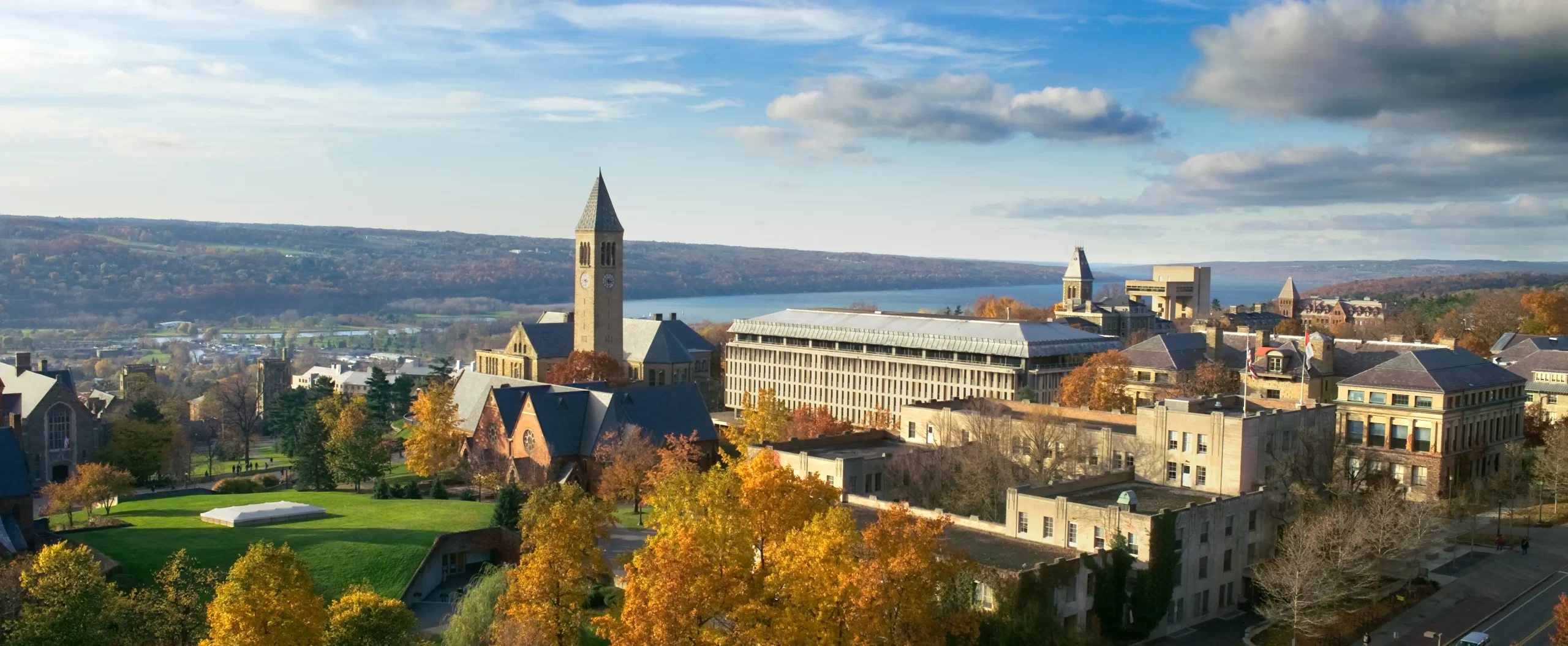
Cornell University, an Ivy League institution founded in 1865 in Ithaca, New York, has long been recognized for its unique blend of academic rigor, innovation, and public engagement. The university’s mission extends beyond producing scholars; it seeks to educate leaders, drive research breakthroughs, and contribute positively to society at large. Cornell’s approach to education, deeply rooted in inclusivity and experiential learning, distinguishes it as a global leader in higher education.
Interdisciplinary Academic Excellence
At the heart of Cornell’s philosophy is the integration of diverse disciplines. Unlike many institutions that prioritize a narrow set of academic programs, Cornell embraces a comprehensive approach. It houses a wide array of colleges and schools, including the College of Arts and Sciences, the College of Engineering, the College of Agriculture and Life Sciences, and the Cornell SC Johnson College of Business. This diversity fosters interdisciplinary collaboration, allowing students and faculty to tackle complex challenges from multiple perspectives.
Cutting-Edge Research Culture
One of Cornell’s defining strengths is its research culture. The university consistently ranks among the top institutions in terms of research output, innovation, and funding. From pioneering work in artificial intelligence and quantum computing to groundbreaking studies in agriculture and environmental sciences, Cornell research often translates into tangible societal benefits. Students are encouraged to engage in research early, often collaborating directly with leading experts in their respective fields. This integration of research and learning ensures that graduates are not only knowledgeable but also skilled in applying theory to real-world problems.
Experiential Learning Opportunities
Cornell Academics also emphasizes experiential learning. The university’s cooperative education programs, internships, and study-abroad opportunities ensure that students gain practical experience alongside classroom learning. For example, students in the College of Agriculture and Life Sciences can work directly on experimental farms or within international agricultural development projects. Similarly, engineering students often participate in hands-on projects that address real technological challenges. This emphasis on experiential learning equips students with the problem-solving skills, adaptability, and resilience necessary for success in today’s dynamic global economy.
Commitment to Inclusivity and Accessibility
Equally important is Cornell’s commitment to inclusivity and accessibility. From its inception, the university was founded on the principle of providing education without discrimination based on race, gender, or socioeconomic background. Today, Cornell actively cultivates a diverse campus environment, offering numerous scholarships, mentorship programs, and support services to ensure that students from all walks of life can thrive. The university also emphasizes global engagement, encouraging students to participate in international initiatives, fostering cross-cultural understanding, and preparing graduates to operate effectively in a connected world.
Innovation in Curriculum and Education
Innovation is embedded not only in Cornell’s research but also in its educational methods. The university continuously evolves its curriculum to meet the demands of a rapidly changing society. Programs like the Cornell Tech campus in New York City exemplify this commitment. Focused on technology, entrepreneurship, and applied sciences, Cornell Tech bridges the gap between academic knowledge and industry needs. Students collaborate with industry leaders, startups, and government agencies to develop solutions that address contemporary challenges in technology, business, and society. This model of education ensures that Cornell graduates are well-prepared to lead in innovation-driven fields.
Holistic Student Development
Another significant aspect of Cornell’s educational experience is its emphasis on holistic development. The university encourages students to cultivate not only intellectual skills but also leadership, communication, and ethical reasoning. Numerous student organizations, cultural groups, and community service initiatives provide platforms for personal growth and civic engagement. Students often find themselves balancing rigorous academics with active participation in extracurricular and social initiatives, fostering well-rounded development.
Faculty Excellence and Mentorship
Cornell’s faculty play a pivotal role in maintaining its educational excellence. Renowned for their expertise, commitment, and mentorship, they bridge the gap between cutting-edge research and teaching. Faculty members are not merely lecturers; they are collaborators, guiding students through complex projects, challenging conventional thinking, and inspiring a passion for lifelong learning. This close interaction between faculty and students is a hallmark of Cornell’s learning environment, ensuring that students receive personalized guidance while exploring innovative ideas.
Societal Impact and Global Engagement
Furthermore, Cornell leverages its resources to make a broader societal impact. Initiatives in sustainability, public policy, healthcare, and global development reflect the university’s commitment to translating knowledge into action. For instance, research in renewable energy and climate solutions contributes to global environmental goals, while programs in social sciences and policy inform evidence-based decision-making. Through such initiatives, Cornell students and faculty become active participants in solving real-world problems, reinforcing the university’s role as a catalyst for positive change.
Strong Alumni Network
The alumni network at Cornell also exemplifies the university’s influence. Graduates have gone on to achieve prominence in diverse fields, including science, business, arts, politics, and social entrepreneurship. Many maintain close ties with the university, contributing to mentoring programs, research collaborations, and funding initiatives that strengthen the institution’s global reach. The active alumni engagement ensures that current students benefit from a robust network, enhancing career opportunities and fostering professional growth.
Lifelong Learning and Continuing Education
Cornell’s commitment to education extends beyond traditional degree programs. Lifelong learning initiatives, professional certifications, and online courses allow individuals worldwide to access Cornell’s resources and expertise. These programs reflect the university’s adaptability and responsiveness to contemporary educational needs, offering flexible learning opportunities without compromising academic rigor. Such initiatives expand Cornell’s educational impact far beyond its Ithaca campus, reinforcing its global reputation.
Conclusion
Cornell University represents a distinctive model of higher education that harmonizes academic excellence, research innovation, and societal responsibility. Its commitment to interdisciplinary learning, experiential opportunities, inclusivity, and global engagement ensures that students are not only educated but also empowered to make meaningful contributions to society. By fostering a culture of innovation, ethical leadership, and holistic development, Cornell continues to shape the next generation of global leaders, researchers, and innovators.