
A Student Guide to a Less Stressful Summer Dorm Move-Out
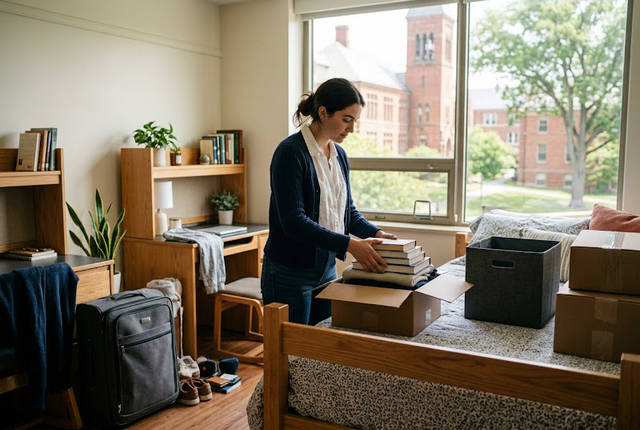
Moving out at the end of the academic year can feel like a second final exam. Students are often packing boxes, finishing papers, saying goodbye to friends, arranging transportation, and checking residence hall requirements during the same few days.
A smoother move-out starts with a simple plan. By deciding what to take, store, donate, or throw away before the final week begins, students can avoid rushed decisions, missed deadlines, and unnecessary fees.
Plan Around Finals, Travel, and Checkout
The best time to start preparing is before finals week, when there is still enough room in the schedule to sort belongings and solve small problems. Residence halls usually have specific checkout rules, so students should confirm their building’s deadline, key or card return process, inspection requirements, and any express checkout options.
A practical move-out timeline may look like this:
| Timeframe | What to Do | Why It Helps |
| 7–10 days before leaving | Sort clothes, books, bedding, and dorm supplies | Reduces last-minute packing |
| 4–6 days before leaving | Arrange storage, shipping, rides, or luggage plans | Keeps travel day manageable |
| 2–3 days before leaving | Pack nonessential items and donate what you do not need | Clears space for cleaning |
| Last 24–48 hours | Keep only essentials, clean the room, return keys | Prevents missed checkout steps |
Students with flights, bus trips, internships, research placements, or summer housing should also check baggage rules early. Extra bags, oversized boxes, and prohibited items can create problems if they are discovered only on departure day.
Pack by Destination, Not by Panic
A common mistake is packing by drawer or shelf. It may seem faster, but it often creates mixed boxes that are hard to unpack later. A better method is to pack by destination.
Use labels such as:
- Home for items traveling with family or by car
- Storage for bedding, winter clothing, bins, and dorm supplies
- Fall semester for things that can stay packed until return
- Immediate use for chargers, toiletries, documents, medication, and a few outfits
The “immediate use” bag should stay with the student at all times. It should not be shipped, stored, or loaded into a car first. This small step is especially helpful when travel plans include overnight stays, airport layovers, or a gap between checkout and departure.
Decide What to Store, Ship, Donate, or Take Home
Not every dorm item needs to travel home for the summer. Students returning in the fall often save time and money by storing bulky or seasonal belongings near campus. Others may prefer shipping a few boxes home if they have limited items or live far away.
| Option | Good For | Watch Out For |
| Store | Bedding, winter clothes, bins, fans, small dorm supplies | Access dates, insurance, transport to storage |
| Ship | Books, small boxes, lightweight items | Weight limits, carrier fees, pickup timing |
| Donate | Usable clothes, lamps, unopened supplies, small household items | Campus program rules and accepted items |
| Take Home | Documents, valuables, electronics, medication | Keeping essentials separate from packed boxes |
| Discard | Expired food, broken items, trash, unsafe storage items | Possible cleaning or disposal fees if left behind |
Before placing anything in storage, students should remove food, liquids, aerosols, and anything that could leak or overheat. Passports, IDs, cash, jewelry, medication, and important documents should always travel with the student.
Choose Storage That Matches the Summer Plan
The right storage option depends on where the student will be during the summer. Someone going home for three months may need a different solution than someone staying nearby for a job, research program, or sublet.
On-campus storage, when available, can be convenient but may come with limited drop-off and pickup windows. Off-campus self-storage may offer more flexibility, but students need to consider transportation, monthly cost, insurance, and access hours. Shipping works best for a small number of items, especially when boxes can be packed safely and within carrier limits.
Students can benefit from services focused on left luggage when temporary holding is needed during travel transitions. This can be useful when a lease starts later than checkout, a flight leaves in the evening, or a student needs a short-term place for bags before leaving campus.
Make Cleaning and Checkout Easier
Move-out is not only about packing. Most residence halls expect students to leave rooms clean, empty, and ready for inspection. Requirements vary by campus, but the same basic tasks appear often: removing trash, cleaning surfaces, emptying drawers and closets, defrosting small refrigerators, and returning keys or access cards.
A final checklist helps prevent overlooked details:
| Task | Why It Matters |
| Remove all trash and recycling | Avoids disposal or cleaning charges |
| Empty drawers, closets, and shared spaces | Prevents items from being left behind |
| Clean floors, desks, shelves, and surfaces | Makes checkout smoother |
| Defrost and clean refrigerators if required | Prevents leaks, odors, and damage |
| Check walls, windows, lights, and outlets | Helps catch small issues before leaving |
| Return keys, cards, or borrowed equipment | Avoids replacement fees |
Students should also check whether their campus has donation or recycling collections during move-out week. These programs can be a useful way to pass along usable clothing, bedding, unopened personal-care items, and small household goods instead of throwing them away.
Leave Campus With Less to Worry About
A less stressful move-out does not require a complicated system. It usually comes down to starting early, separating essentials from storage items, confirming campus rules, and choosing the right plan for summer travel.
When students handle packing, storage, donations, cleaning, and checkout in stages, the final day becomes much easier. Instead of rushing through a crowded residence hall with loose bags and unfinished tasks, they can leave campus knowing their belongings are organized and ready for the next step.